
The SEC just pulled a classic bureaucratic move. On July 22nd, regulators approved a major multi-asset crypto ETF packed with Bitcoin, Ethereum, XRP, and seven other digital assets — then immediately froze.
We’re talking about the Bitwise 10 Crypto Index ETF, which would’ve been a game-changer for investors wanting diversified crypto exposure in a traditional wrapper. But now? It’s stuck in regulatory limbo while the full Commission decides whether the approval was actually a good idea.
Here’s what happened, why it matters, and what comes next for this crypto ETF rollercoaster.
What Exactly Got Approved (Then Frozen)?
The Bitwise 10 Crypto Index ETF isn’t your typical single-asset fund. This thing’s designed to track the 10 largest cryptocurrencies by market cap, giving investors a basket approach to digital assets.
The current lineup reads like a crypto greatest hits album:
- Bitcoin dominates at 78.72%
- Ethereum grabs 11.10%
- XRP takes 4.97%
- Solana rounds out the top four at 3.03%
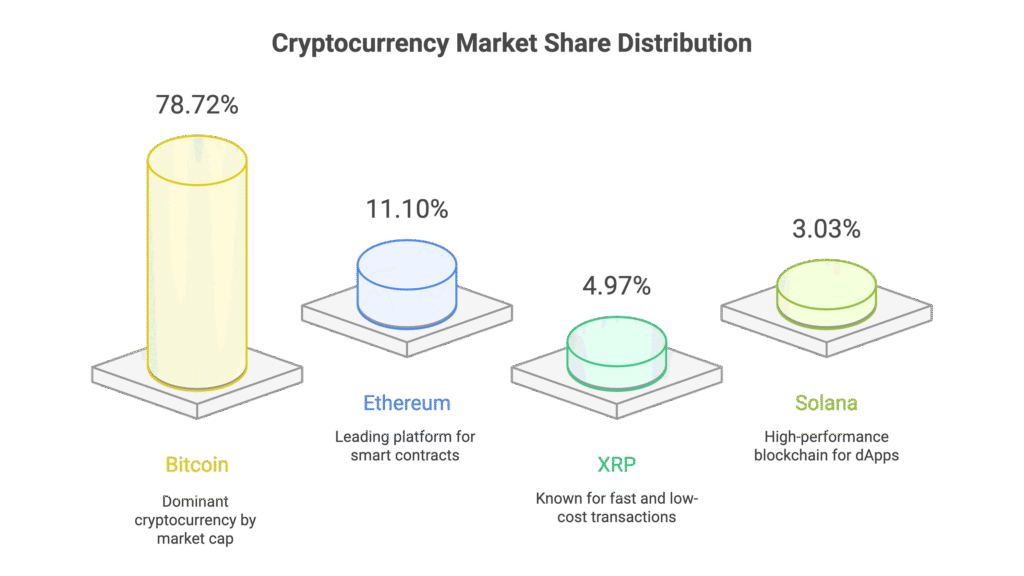
The remaining 2% gets spread across Cardano, SUI, Chainlink, Avalanche, Litecoin, and Polkadot. Not exactly equal weighting, but it mirrors how the actual crypto market works.
The fund has some smart guardrails too. At least 85% of holdings must be in SEC-approved crypto assets, whilst the remaining 15% can venture into newer territories. Coinbase Custody handles the crypto storage, and Bank of New York Mellon manages the boring administrative stuff.
The SEC’s Mixed Signals Problem
Here’s where things get ridiculous. The SEC’s Division of Trading and Markets gave the ETF accelerated approval under Rule 8.500-E. That’s bureaucrat-speak for “we’re fast-tracking this thing.”
But hours later, the SEC’s Office of the Secretary basically said “hold up” and froze the approval pending a full Commission review. They cited Rule 431, which lets them pump the brakes on staff decisions.
It’s like your manager approving your holiday request, then immediately calling to say HR needs to review it. Confusing? Absolutely.
Why This Matters for Crypto Investors
This approval-then-freeze dance isn’t just regulatory theater — it signals something bigger brewing at the SEC.
We’ve seen similar crypto ETF approvals over the past year, but most focussed on single assets like Bitcoin or Ethereum. A diversified crypto ETF represents the next evolution, potentially opening the floodgates for mainstream adoption.
The timing’s also interesting. With crypto markets showing renewed strength and institutional interest growing, the SEC’s cautious approach suggests they’re feeling pressure from multiple directions.
Investment expert Nate Geraci called the situation “bizarre,” noting that both this fund and a similar Grayscale product got the same approve-then-freeze treatment. That’s not coincidence — it’s policy uncertainty playing out in real time.
What Happens Next?
The full SEC Commission now gets to decide whether their staff made the right call. This could go several ways:
They might uphold the approval and let the ETF launch. Given the precedent set by other crypto ETFs, this seems possible.
Alternatively, they could reject the approval entirely, sending Bitwise back to the drawing board. Less likely, but stranger things have happened in crypto regulation.
Most probably? They’ll request modifications or additional safeguards before giving final approval. The SEC loves compromise solutions that let them say yes while adding extra protection layers.

The Bottom Line
The SEC’s approval-then-freeze move on the Bitwise crypto ETF perfectly captures where we are with digital asset regulation — caught between innovation and caution.
For investors, this represents both progress and frustration. We’re clearly moving toward more diverse crypto investment products, but the regulatory process remains maddeningly unpredictable.
Keep watching this space. When (not if) diversified crypto ETFs finally launch, they could reshape how mainstream investors access digital assets.
FAQ
Q1: What makes this crypto ETF different from existing ones?
A: Unlike single-asset Bitcoin or Ethereum ETFs, this fund holds 10 different cryptocurrencies weighted by market cap. It’s essentially a diversified crypto index fund in an ETF wrapper.
Q2: Why did the SEC approve then immediately freeze the ETF?
A: The SEC’s trading division approved it, but the full Commission invoked their right to review staff decisions. It’s a checks-and-balances mechanism that creates temporary uncertainty.
Q3: When might the ETF actually launch?
A: The Commission hasn’t set a timeline for their review. Based on similar cases, it could take weeks to months before we get a final decision.
Q4: What does this mean for other pending crypto ETFs?
A: It suggests the SEC is taking a more cautious approach to multi-asset crypto products, even after approving single-asset ETFs. Expect similar review processes for future diverse crypto funds.
Q5: Should investors wait for this ETF or buy crypto directly?
A: That depends on your preference for traditional investment vehicles versus direct crypto ownership. ETFs offer easier access and familiar tax treatment, whilst direct ownership provides more control and potential staking rewards.
DISCLAIMER
Effective Date: 15th July 2025
The information provided on this website is for informational and educational purposes only and reflects the personal opinions of the author(s). It is not intended as financial, investment, tax, or legal advice.
We are not certified financial advisers. None of the content on this website constitutes a recommendation to buy, sell, or hold any financial product, asset, or service. You should not rely on any information provided here to make financial decisions.
We strongly recommend that you:
- Conduct your own research and due diligence
- Consult with a qualified financial adviser or professional before making any investment or financial decisions
While we strive to ensure that all information is accurate and up to date, we make no guarantees about the completeness, reliability, or suitability of any content on this site.
By using this website, you acknowledge and agree that we are not responsible for any financial loss, damage, or decisions made based on the content presented.
MORE NEWS








Disclosure & Editorial Standards
MJBurrows is not authorised or regulated by the Financial Conduct Authority (FCA). The content on this website — including articles, calculators, and tools — is for general informational and educational purposes only. It does not constitute personal financial, investment, tax, or legal advice and does not take into account your individual circumstances, financial situation, or objectives.
Nothing on this site is a personal recommendation to buy, sell, hold, or otherwise deal in any financial product, asset, or service. You should always conduct your own research and seek advice from a qualified, FCA-regulated financial adviser before making any financial decisions.
Our calculators produce estimates based on simplified models using HMRC-published rates for the current tax year. They cannot account for every individual circumstance and should not be relied upon as exact figures. Tax rules and rates may change — verify current rates with HMRC or a qualified tax adviser.
Projections are not guarantees. Where our tools show future values (investment growth, pension projections, compound interest), these are hypothetical illustrations based on assumed growth rates. Past performance does not guarantee future results. The value of investments can go down as well as up.
Market data displayed on this site is provided by third-party sources including Twelve Data, Yahoo Finance, and CoinGecko. We do not guarantee the accuracy, completeness, or timeliness of third-party data.
This content is designed for UK residents and reflects UK tax rules, thresholds, and legislation. It may not apply to other jurisdictions.
Using this website does not create a professional-client relationship of any kind. MJBurrows is not responsible for any financial loss, damage, or decision made based on the content presented. By using this site, you accept these terms.
This disclaimer may be updated from time to time without prior notice. Last reviewed: 23 April 2026.
MJBurrows is an independent UK personal finance publication, written and edited by Matthew Burrows. There is no parent company, no investor group, and no advertising sales team — decisions about what to cover and how to frame it are made by Matthew alone. Our full Editorial Policy sets out how the site operates in detail.
Commercial model. As of April 2026, MJBurrows generates no revenue. The site carries no display advertising, no affiliate links, no sponsored content, no paid product placements, and no pay-for-coverage arrangements. If this changes in future, it will be disclosed openly on the Editorial Policy page.
Sources. Articles and tools reference primary sources — HM Revenue & Customs (HMRC), gov.uk, the Bank of England, the Office for National Statistics (ONS), the Financial Conduct Authority (FCA), Companies House, and UK government departmental publications (DWP, Treasury). Calculator data uses HMRC-published rates for the 2026/27 tax year. Market data (tickers, asset prices) is provided by Twelve Data, Yahoo Finance, and CoinGecko.
Verification. Every published article is fact-checked before going live. Numerical claims are traced to their primary source, quotes are checked against the original speaker or document, and calculator outputs are tested against HMRC worked examples. See our verification and accuracy policy for the full process.
Corrections. If you spot an error, please report it via the Corrections page. A three-tier severity system commits to specific response times:
- Tier 1 — Urgent (material reader harm, defamatory statements, regulatory or legal issues): acknowledged within 24 hours, page actioned within 24 hours, correction published within 48 hours of confirmation.
- Tier 2 — High (significant factual errors that misinform readers): acknowledged within 3 working days, correction published within 7 working days of confirmation.
- Tier 3 — Standard (minor factual errors, dated references, missing context): acknowledged within 7 working days, correction published at the next regular content review (within the quarter).
Significant corrections are logged on the public Corrections log.
Updates and review cadence. Calculators are reviewed at least quarterly, plus event-driven updates when HMRC publishes new rates (Budget, Autumn Statement, new tax year). Guides are reviewed at least twice a year, with major rewrites whenever underlying regulation changes. Tax-year-sensitive content is prioritised for review at the April tax-year transition.
Get in touch. For editorial enquiries — corrections, story tips, reader questions — the address is contact@mjburrows.com. The contact page is at mjburrows.com/contact. Every email is read personally by Matthew.