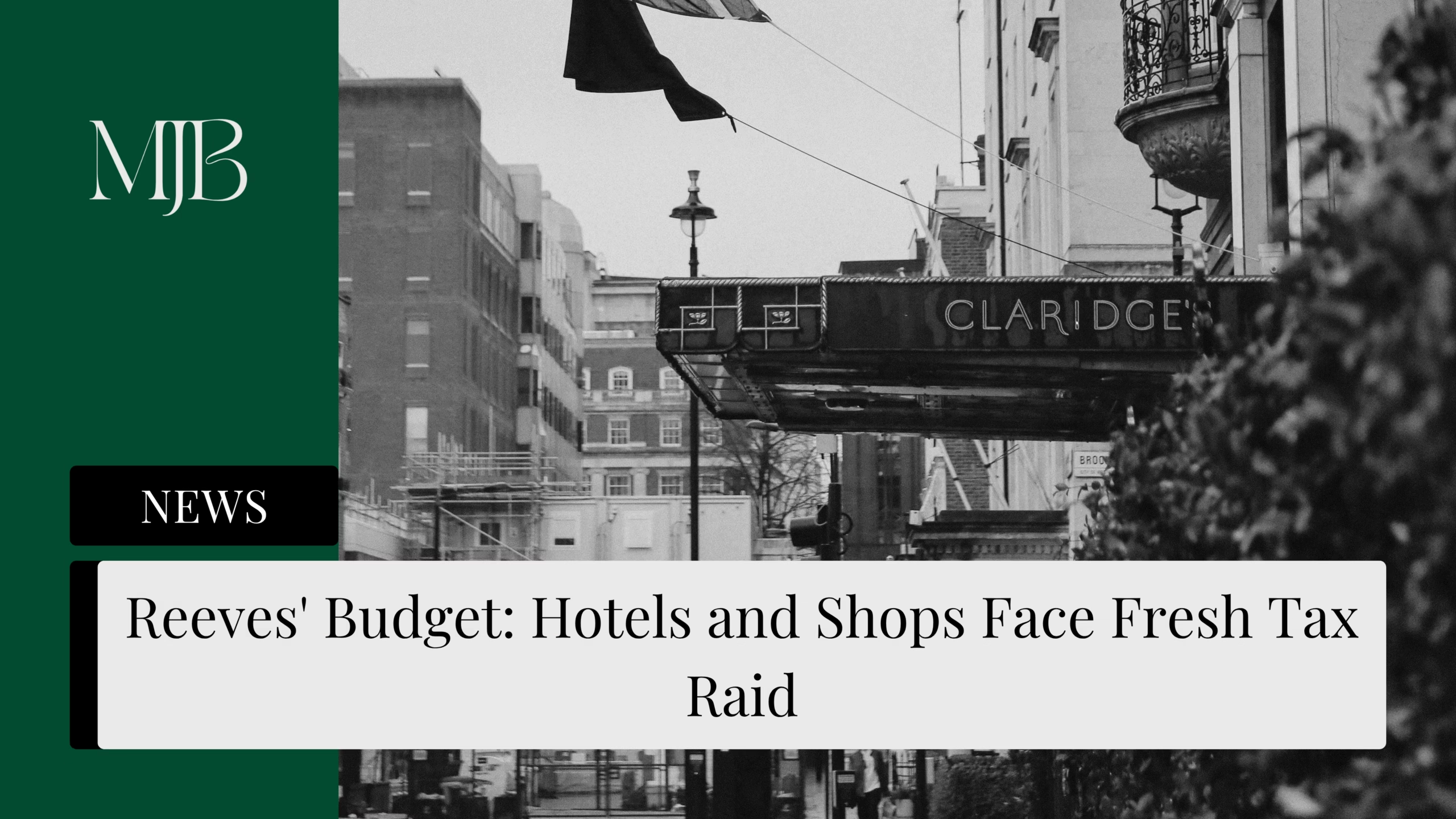
Your weekend getaway just got pricier. Chancellor Rachel Reeves is preparing to unleash a double-whammy on Britain’s hospitality and retail sectors, targeting hotels with a new tourist levy and expanding the sugar tax to hit your favourite coffee shop drinks. The moves are part of a broader £20bn tax-raising mission ahead of the upcoming Budget, and businesses aren’t exactly thrilled.
If you’ve been planning a staycation or fancy a milkshake with your meal deal, these changes could hit your wallet sooner than you think.
Tourist Tax Coming to UK Hotels
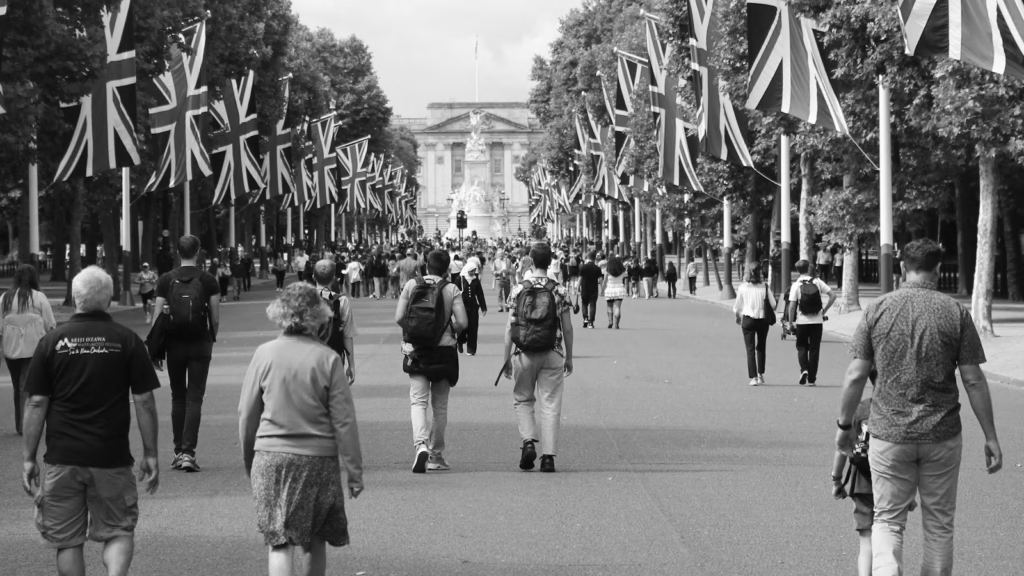
Reeves is set to hand mayors the power to slap an overnight levy on hotel rooms and rental properties. Think of it as the UK’s version of what you already pay in Venice, Barcelona, or Paris—except now it’s coming to cities like Birmingham and Manchester.
The move, expected to raise hundreds of millions of pounds, will be introduced through amendments to a devolution bill currently winding through Parliament. Wales and Scotland already have these powers, so England’s playing catch-up.
But not everyone’s raising a glass to the news. Industry group UKHospitality has warned the tax could damage competitiveness, with hotelier Sir Rocco Forte branding it “pernicious.” Ironically, Reeves herself reportedly opposed the plan initially—concerns about tourism taking a hit—but political pressure from former deputy PM Angela Rayner seems to have won the day.
The cash raised would help local authorities pump more funding into public services, but critics argue it risks pricing out domestic tourists at a time when the sector’s already fragile.
Sugar Tax Expansion: Say Goodbye to Cheap Milkshakes
Reeves isn’t stopping at hotel beds. She’s also planning to expand the soft drinks levy to cover milk-based products like packaged coffees and milkshakes.
Right now, the sugar tax adds 18p to any soft drink packing 5g or more of sugar per 100ml. Under the new proposals, that net widens to include dairy-based drinks—and the threshold could drop to just 4g per 100ml.
The government’s pitch? Nudge Britons toward healthier choices and save the NHS billions in obesity-related costs. The reality? It’s also a handy way to plug a £20bn fiscal hole after plans to hike income taxes were reportedly scrapped.
But there’s a catch. So-called “sin taxes” like these are notoriously volatile. The Office for Budget Responsibility has admitted it routinely overestimates revenue from levies on sugary drinks, meaning Reeves might be banking on income that doesn’t fully materialise.
Why This Matters
These tax hikes might sound small individually, but they signal a broader strategy: raise revenue without touching income tax directly. Hotels, coffee chains, and supermarkets become the collateral damage.
For consumers, it’s a subtle squeeze. A few pence here, a pound or two there, it adds up fast, especially if you’re a frequent traveller or grab your caffeine fix daily.
For businesses, it’s another layer of cost pressure in sectors already grappling with thin margins and economic uncertainty.
The Bottom Line
Reeves is betting on a patchwork of smaller tax hikes to balance the books without sparking mass public outcry. Hotels and sugar-laden drinks are in the crosshairs, and if you’re a consumer, you’ll likely feel the pinch soon enough.
The Budget’s coming fast, keep an eye on the details when they drop. Whether you’re planning a UK break or just grabbing your morning latte, these changes could reshape your spending habits sooner than you think.
Want to stay ahead of UK Budget news? Keep tabs on our finance coverage for the latest updates and analysis.
FAQ
Q1: Will the tourist tax apply to all UK hotels?
A: Not immediately. The levy gives mayors the power to introduce it locally, so it’ll vary by region. Expect major cities to adopt it first, while rural areas may hold off.
Q2: How much will the hotel levy actually cost me?
A: That depends on the local authority setting the rate. UK rates haven’t been confirmed yet, but similar tourist levies in European cities are typically charged per night of stay.
Q3: Why is the government expanding the sugar tax now?
A: Two reasons: tackling obesity to reduce NHS costs, and plugging a £20bn budget shortfall after ditching income tax hikes. It’s part health policy, part fiscal necessity.
Q4: Will this sugar tax actually change what I buy?
A: Maybe. The original soft drinks levy did push manufacturers to reformulate products with less sugar. Expect coffee chains and supermarkets to follow suit—or pass costs onto you.
Q5: Could these taxes be reversed in future?
A: Possible, but unlikely in the short term. Once local authorities start collecting tourist levies, they’ll be reluctant to give up the revenue stream. The sugar tax is similarly sticky once embedded.
DISCLAIMER
Effective Date: 15th July 2025
The information provided on this website is for informational and educational purposes only and reflects the personal opinions of the author(s). It is not intended as financial, investment, tax, or legal advice.
We are not certified financial advisers. None of the content on this website constitutes a recommendation to buy, sell, or hold any financial product, asset, or service. You should not rely on any information provided here to make financial decisions.
We strongly recommend that you:
- Conduct your own research and due diligence
- Consult with a qualified financial adviser or professional before making any investment or financial decisions
While we strive to ensure that all information is accurate and up to date, we make no guarantees about the completeness, reliability, or suitability of any content on this site.
By using this website, you acknowledge and agree that we are not responsible for any financial loss, damage, or decisions made based on the content presented.