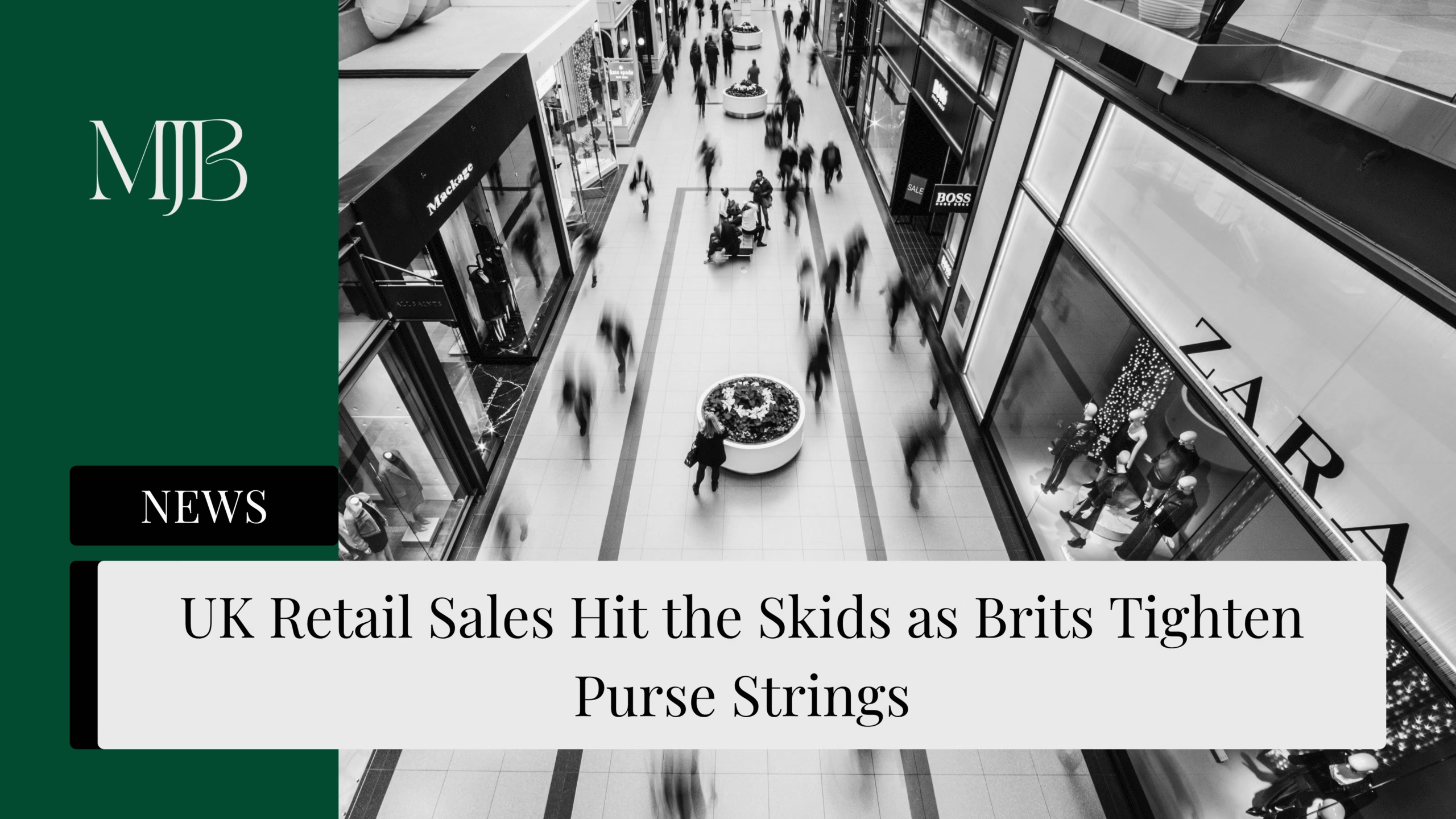
Brits are pulling back. Hard. UK retail sales dropped 0.4% in February, signalling that consumers are steering clear of supermarket checkouts and household goods aisles. After January’s healthy 2% bounce, the latest figures paint a sobering picture: high streets and shopping centres are quieter than ever, whilst online stores are hoovering up the spending that’s left. The real problem? Rising labour costs, weak demand, and retailers already sweating over potential price hikes coming this June. Here’s what the numbers tell us—and why your weekly food shop might be about to get worse.
The Numbers
February’s 0.4% decline might sound small, but context matters. February’s sales are now sitting 0.3% below pre-pandemic levels from February 2020. That’s a gut punch when you’re trying to argue the economy’s recovering. Over the three months to February, retail did manage a modest 0.7% growth, but that’s barely keeping pace with inflation.
The real story? Food sales dropped 0.7%, whilst household items nosedived 2.6%. Brits aren’t just cutting back on luxuries—they’re buying less of the essentials too.
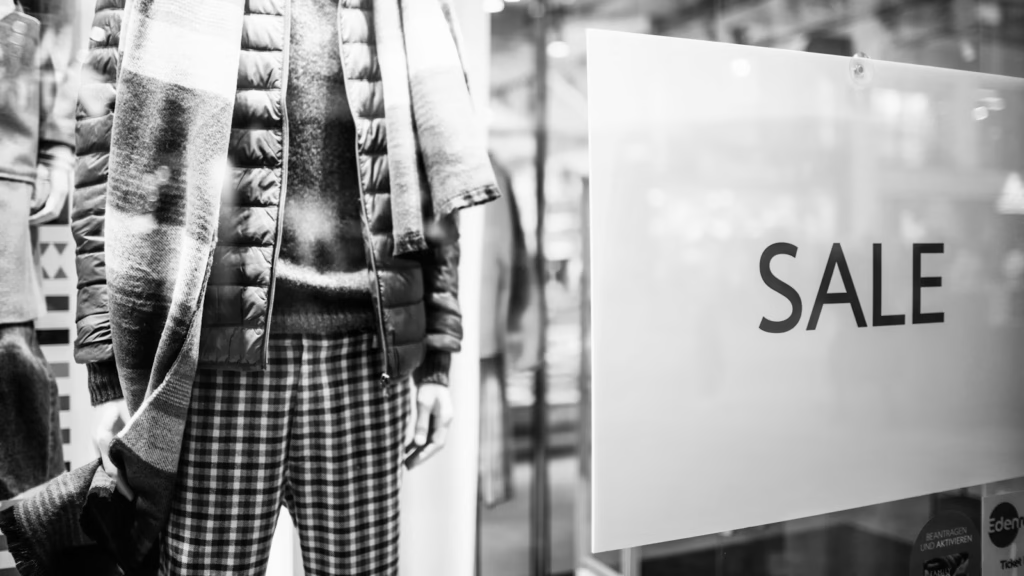
Where People Aren’t Shopping
High streets and shopping centres are in freefall. Footfall on the high street fell 5.4%, whilst shopping centre visits plummeted 5.5%. That’s not a blip; that’s a trend. Meanwhile, online sales surged 10.8% year-on-year, proving that when Brits do spend, they’re doing it from their sofas.
Hannah Finselbach, senior statistician at the ONS, summed it up perfectly: “Online shops seeing strong sales and art dealers also faring well… partially offset by weak period for clothing stores.” Translation? The retail landscape is fractured. Winners and losers are determined less by seasonal trends and more by whether you can meet customers where they actually want to shop.
Why Retailers Are Worried Sick
Here’s where it gets grim. Retailers are facing a perfect storm of rising labour costs, margin pressure, and weakening demand. Nicholas Found from Retail Economics warned: “Retailers are facing a tougher operating environment just as demand remains fragile.”
But there’s more. Retailers are bracing for potential cost increases from the Iran conflict affecting manufacturing and energy prices. Next already flagged a £15 million impact and signalled potential price increases by June. Add in the need to invest in productivity improvements, and many high street names are caught between a rock and a hard place: cut prices to attract shoppers, or raise them to protect margins. Most will choose the latter, which means your shopping bill is about to sting.

What Comes Next
UK consumer spending slowdown isn’t just a February fluke—it’s a warning sign. With labour costs climbing and demand stubbornly weak, retailers will likely tighten their belts further. Expect to see more store closures, more price increases, and continued migration to online. The high street, already battered, faces its toughest test yet.
The silver lining? Online retailers and niche players (apparently art dealers are having a moment) will keep growing. But for traditional retailers banking on foot traffic and impulse buys, the next few months will be brutal.
Want more like this? Sign up to The MJBurrows Briefing—our free weekly newsletter delivered every Monday morning.
FAQ
Q: Why are food sales dropping when people still need to eat?
A: Food prices have climbed sharply, so consumers are spending less despite buying roughly the same amount. Household budgets are squeezed, and food shopping is one of the few places people can easily cut back.
Q: Is the high street dying?
A: Not entirely, but it’s certainly struggling. High street footfall fell 5.4% in February, and shopping centre visits dropped 5.5%. Online retail is now where the money is—up 10.8% year-on-year.
Q: What does the Iran conflict have to do with UK retail?
A: Tensions affecting manufacturing and energy prices globally will push up costs for retailers importing goods and running their operations. Next alone warned of a £15 million impact, with potential price increases coming by June.
Q: When will prices go up?
A: Retailers are signalling price increases as early as June 2026, driven by rising labour costs, energy prices, and supply chain pressures. Watch for bigger jumps in summer months.
Q: Is online shopping the only winner right now?
A: Mostly, yes—online sales jumped 10.8% year-on-year. Niche markets like art dealing are also thriving. But traditional clothing retailers are getting hit hard, suggesting consumers are being picky about where they spend.
DISCLAIMER
Effective Date: 15th July 2025
The information provided on this website is for informational and educational purposes only and reflects the personal opinions of the author(s). It is not intended as financial, investment, tax, or legal advice.
We are not certified financial advisers. None of the content on this website constitutes a recommendation to buy, sell, or hold any financial product, asset, or service. You should not rely on any information provided here to make financial decisions.
We strongly recommend that you:
- Conduct your own research and due diligence
- Consult with a qualified financial adviser or professional before making any investment or financial decisions
While we strive to ensure that all information is accurate and up to date, we make no guarantees about the completeness, reliability, or suitability of any content on this site.
By using this website, you acknowledge and agree that we are not responsible for any financial loss, damage, or decisions made based on the content presented.