Introduction
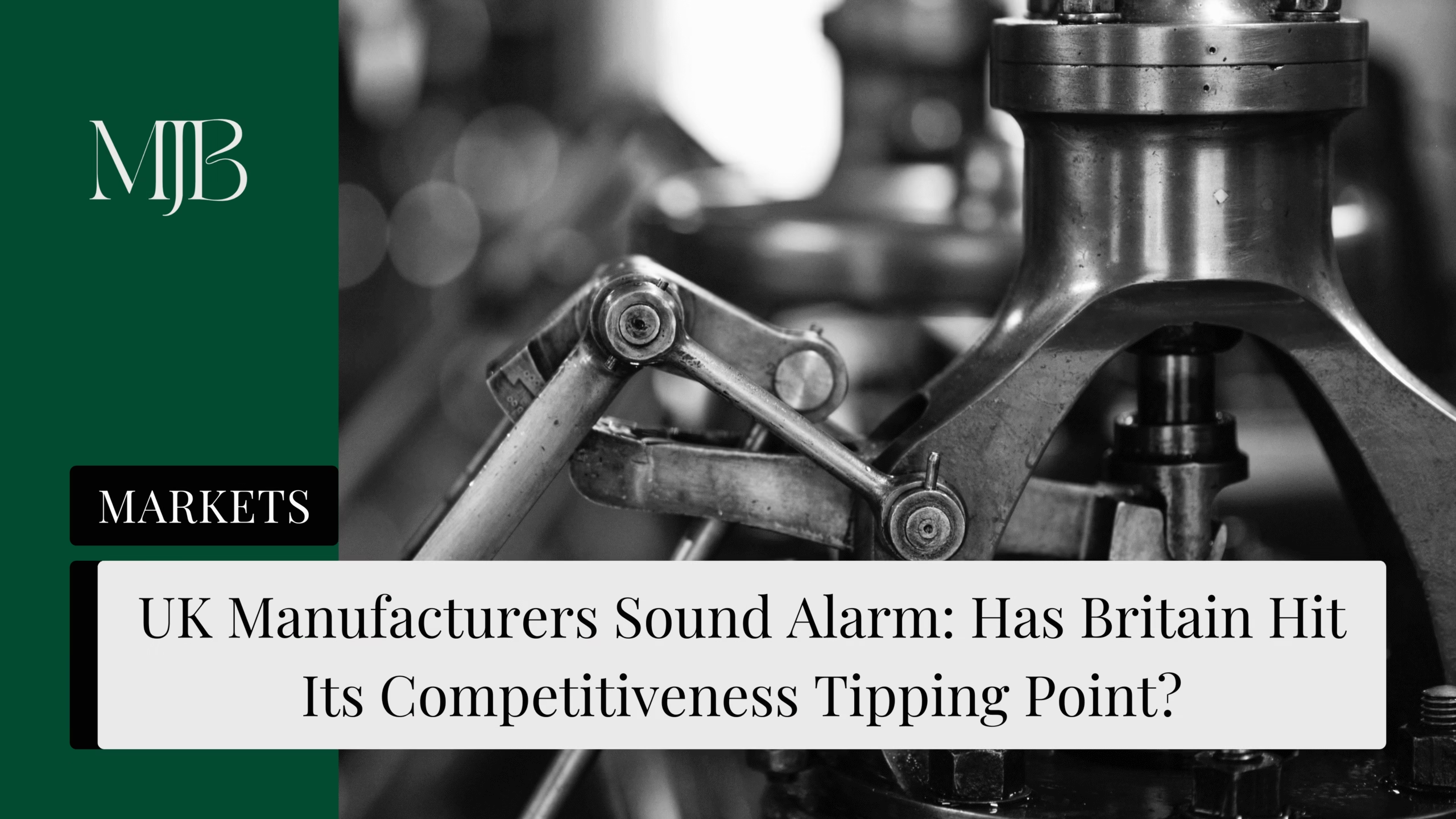
Britain’s manufacturers are sending Westminster a blunt message: fix the business environment or watch us leave. A fresh survey from Make UK reveals senior executives believe rising costs are pushing the sector towards a “tipping point”, and investment dollars are already eyeing the exit door.
Despite December’s PMI hitting a 15-month high, the optimism’s paper-thin. Two-thirds of firms say they’d ramp up investment if the government actually delivers on its industrial strategy promises. The clock’s ticking.
The Numbers Tell a Worrying Story
Manufacturing Shows Signs of Life—For Now
December brought rare good news. The UK Manufacturing PMI from S&P Global reached its highest level in over a year, marking the second consecutive month of growth. Sounds brilliant, right?
Not quite. Industry insiders reckon this bump came from temporary factors, mainly Jaguar Land Rover finally restarting production after a brutal cyber attack shut them down for five weeks from September. That incident alone cost £1.9bn and rippled through supply chains nationwide.
The real test? Whether manufacturers can sustain momentum once these one-off boosts fade.

Why UK Manufacturing Competitiveness Is Under Threat
Rising Costs Are Breaking the Camel’s Back
Make UK surveyed 174 companies, and the message was crystal clear: Britain’s losing its edge as a place to manufacture and invest.
Stephen Phipson, Make UK’s chief executive stated: “Manufacturers have demonstrated their resilience over and over again in recent years… but they can only thrive if they are operating in the most favourable business environment.”
Translation? Resilience has limits. Even the scrappiest firms need competitive conditions to survive, and right now, “warning lights are flashing red.”
The Overseas Temptation Is Real
The survey revealed something that should terrify Number 10: investment plans aren’t just being delayed—they’re being cancelled or shifted abroad. When executives weigh up UK operations against competitors in Europe or Asia, the sums increasingly don’t add up.
This isn’t theoretical. Real manufacturing capacity is already migrating to friendlier shores.
What Manufacturers Actually Want
An Industrial Strategy With Teeth
Labour promised “significant change,” and manufacturers are holding them to it. Over two-thirds of surveyed companies said they’d accelerate investment if the government delivers a genuine industrial strategy that drives growth.
The kicker: they need action, not announcements. Phipson’s verdict? “The Government promised significant change—now is the time to deliver it.”
That means tangible policy shifts on energy costs, business rates, skills development, and regulatory burdens. Vague commitments won’t cut it when competitors are offering cash incentives and streamlined planning.
The Bigger Picture for UK Manufacturing Competitiveness
Despite the doom and gloom, British manufacturing isn’t dead yet. Firms investing in new technologies, expanding into fresh markets, and backing their workforce can still thrive. Innovation remains the sector’s superpower.
But innovation needs the right ecosystem. You can’t expect manufacturers to compete globally whilst fighting one hand tied behind their backs domestically.
The contrast is stark: December’s growth shows what’s possible when conditions align. The Make UK survey shows what happens when they don’t.

What Happens Next?
The government faces a choice. Double down on industrial strategy promises with concrete policy changes, or watch manufacturing investment leak overseas whilst growth stays “anaemic” (Phipson’s word, not ours).
For manufacturers, the calculation’s simple: invest where conditions favour success. Right now, that’s increasingly not Britain.
Want to stay competitive in your industry? Keep tabs on policy shifts and cost pressures—they’re reshaping the UK business landscape faster than most realise.
FAQ
1: Why is UK manufacturing competitiveness declining?
A: Rising operational costs, regulatory burdens, and more attractive conditions overseas are pushing manufacturers towards a “tipping point.” Energy prices, business rates, and policy uncertainty make Britain less competitive compared to rivals in Europe and Asia.
2: What was the impact of the JLR cyber attack on UK manufacturing?
A: Jaguar Land Rover’s cyber attack from September halted production for five weeks, costing £1.9bn and disrupting supply chains nationwide. The subsequent production restart temporarily boosted the sector’s PMI, but experts warn this effect won’t last.
3: What do manufacturers want from the UK government?
A: Two-thirds of surveyed firms want a concrete industrial strategy that drives growth. Specific demands include action on energy costs, business rates reform, skills investment, and reduced regulatory complexity—not just policy announcements.
4: Is UK manufacturing still growing?
A: December saw the sector hit a 15-month PMI high with two consecutive months of growth. However, industry leaders warn this stems from temporary factors like JLR’s production restart rather than sustainable improvements in competitiveness.
5. Could UK manufacturers really move operations overseas?
A: Yes—it’s already happening. The Make UK survey revealed investment plans being cancelled or shifted abroad as executives find better conditions elsewhere. This isn’t a future threat; it’s current reality for Britain’s manufacturing base.
DISCLAIMER
Effective Date: 15th July 2025
The information provided on this website is for informational and educational purposes only and reflects the personal opinions of the author(s). It is not intended as financial, investment, tax, or legal advice.
We are not certified financial advisers. None of the content on this website constitutes a recommendation to buy, sell, or hold any financial product, asset, or service. You should not rely on any information provided here to make financial decisions.
We strongly recommend that you:
- Conduct your own research and due diligence
- Consult with a qualified financial adviser or professional before making any investment or financial decisions
While we strive to ensure that all information is accurate and up to date, we make no guarantees about the completeness, reliability, or suitability of any content on this site.
By using this website, you acknowledge and agree that we are not responsible for any financial loss, damage, or decisions made based on the content presented.