The Rich Are About to Pay More
The Chancellor just signaled that wealthier Britons should prepare to open their wallets wider when she delivers her Budget on 26 November. With a £20–30bn black hole in the public finances and promises not to slash spending or pile on debt, the math is pretty simple: someone’s got to pay more tax. Spoiler alert — it’s not going to be “working families.”
What’s on the chopping block? Property, inheritance, and investment taxes are all in the firing line as Reeves tries to balance the books without triggering another austerity era or spooking the bond markets.
Why the Wealthy Are in the Crosshairs
Treasury insiders confirm Reeves is targeting higher earners and those with significant wealth to “contribute more” and help rebuild public services. Translation? If you’ve got assets, investments, or property portfolios, you’re probably about to get hit.
The strategy makes political sense. Asking the well-off to chip in more plays better with voters than cutting NHS budgets or hiking income tax for everyone. But there’s a catch — and it’s a big one.
The Capital Gains Tax Problem
Here’s where things get messy. New HMRC analysis shows that raising capital gains tax could actually lose the government money. Wait, what?
Turns out, when you increase CGT, investors just… don’t sell. They hold onto assets longer, delay realising gains, and suddenly the Treasury’s expected windfall evaporates. A ten-point CGT increase could cost £3.6bn annually by 2028–29. Even a modest five-point bump would drain £870m.
Shadow business secretary Andrew Griffith jumped on this, calling further CGT hikes “costly prejudice” and urging Reeves to rule them out. But with limited options and mounting pressure, will she listen?
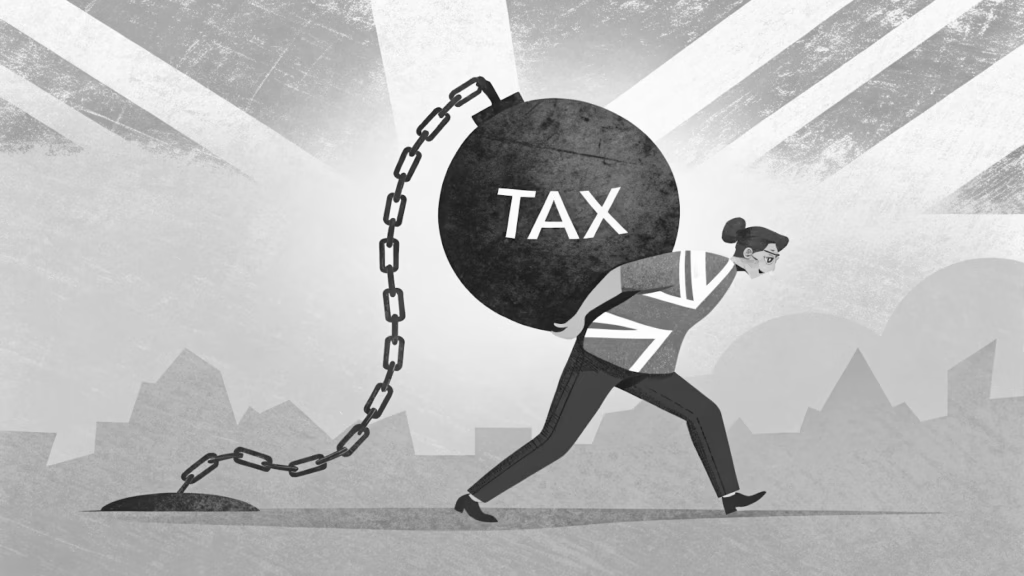
The Wealthy Are Already Running for the Exits
Nearly 80% of high-net-worth individuals expect Labour to raise their taxes within the year, according to the Saltus Wealth Index. And they’re not just worried — they’re taking action.
More than a third are already restructuring pension and estate plans. Some are going further. Take media entrepreneurs Simon and Selena Barr, who moved their family to Dubai right before Labour’s election win. Their reasoning? They’d be “deeply penalised” for their business success under the new government.
“We felt that we had no option but to vote with our feet and leave the UK,” Simon Barr said.
It’s a warning sign Reeves can’t ignore. Push too hard, and the golden goose doesn’t just stop laying eggs — it flies to the Middle East.

Walking the Tightrope
Reeves is promising to “maintain a tight grip on public spending” while waging a “war on waste” to keep inflation and interest rates in check. She wants to invest enough to kickstart growth without freaking out investors or triggering another Liz Truss-style market meltdown.
Analysts expect her to find at least £30bn through tax measures, paired with pro-growth reforms in planning, infrastructure, and investment. It’s ambitious. It’s risky. And honestly? It’s probably going to upset someone no matter what she does.
One Treasury spokesperson framed it as choosing fiscal responsibility over short-term popularity: “The responsible choice is to reduce our levels of borrowing in the years ahead, so we can spend more on our public services… and less on servicing debt.”
What This Means for You
If you’re sitting on property wealth, significant investments, or planning to pass assets to your kids, November 26 just became the most important date on your calendar. Reeves has made it clear: those with the broadest shoulders will carry the heaviest load.
Whether that’s fair or foolish depends on who you ask. But one thing’s certain — this Budget is shaping up to be one of the most politically charged in years.
Stay tuned. And maybe call your accountant.
FAQ
Q1: Will Rachel Reeves raise capital gains tax in the Budget?
A: It’s unclear. While CGT increases are being considered, new HMRC data shows they could actually reduce revenue by discouraging asset sales. Reeves may target other wealth taxes instead to avoid this backfire.
Q2: Who will be most affected by the upcoming tax changes?
A: High-net-worth individuals, property owners, and those with significant investment portfolios are likely targets. Treasury sources confirm “wealthier households” will be asked to contribute more, while working families should see less impact.
Q3: Why is the government facing a £20–30bn funding gap?
A: The shortfall comes from commitments to maintain public services without cutting spending or significantly increasing borrowing. Reeves inherited tight fiscal constraints and is trying to balance growth ambitions with debt reduction.
Q4: Are wealthy Britons really leaving the UK over tax concerns?
A: Some are. Nearly 80% of high-net-worth individuals expect tax rises, and over a third are already adjusting financial plans. High-profile examples like the Barr family moving to Dubai suggest genuine capital flight risk.
Q5: When will we know the full details of the Budget?
A: Rachel Reeves will deliver her Budget on 26 November. That’s when we’ll see exactly which taxes increase, by how much, and who gets hit hardest.
DISCLAIMER
Effective Date: 15th July 2025
The information provided on this website is for informational and educational purposes only and reflects the personal opinions of the author(s). It is not intended as financial, investment, tax, or legal advice.
We are not certified financial advisers. None of the content on this website constitutes a recommendation to buy, sell, or hold any financial product, asset, or service. You should not rely on any information provided here to make financial decisions.
We strongly recommend that you:
- Conduct your own research and due diligence
- Consult with a qualified financial adviser or professional before making any investment or financial decisions
While we strive to ensure that all information is accurate and up to date, we make no guarantees about the completeness, reliability, or suitability of any content on this site.
By using this website, you acknowledge and agree that we are not responsible for any financial loss, damage, or decisions made based on the content presented.