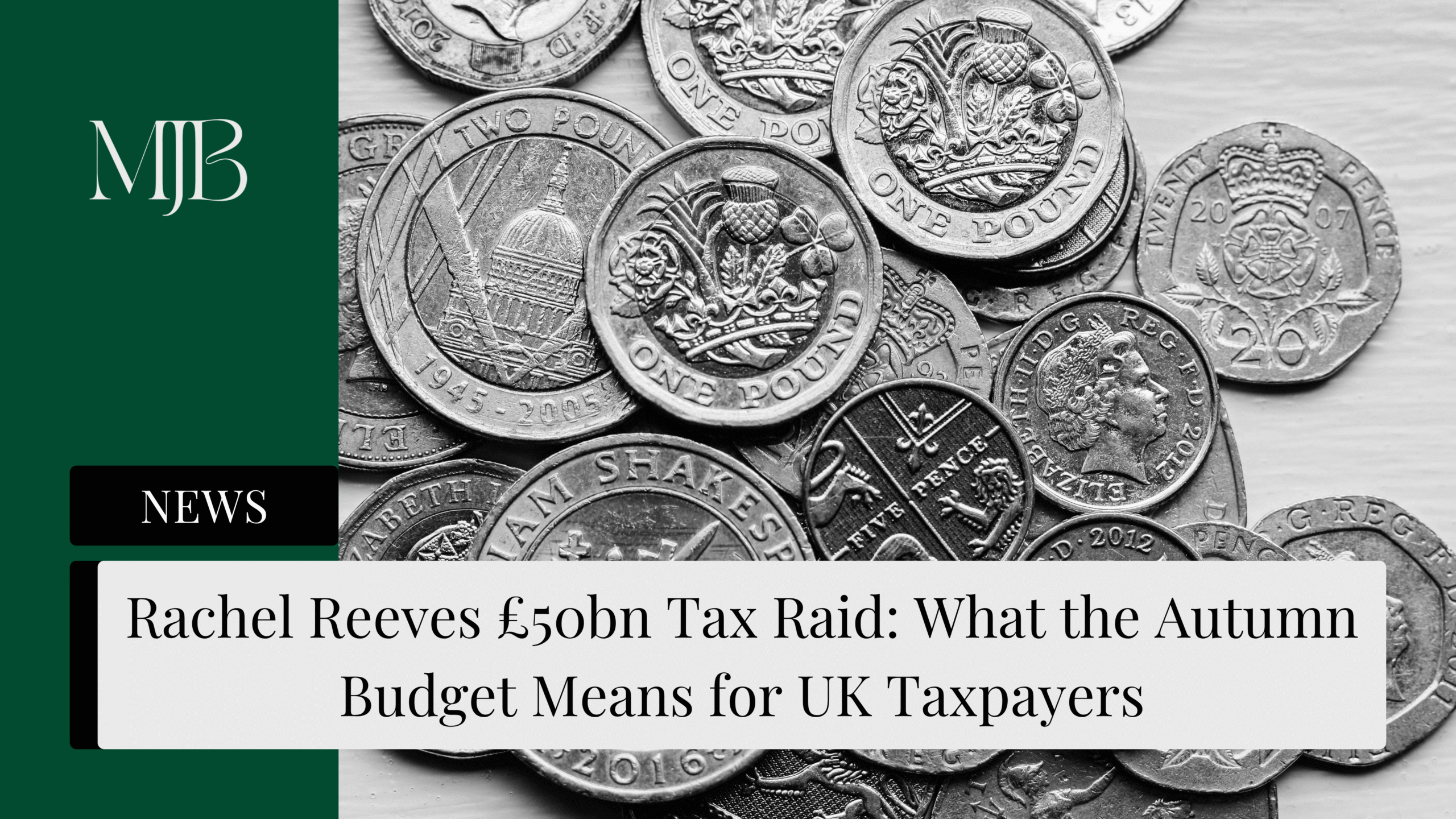
Rachel Reeves faces a £50bn tax challenge that could reshape UK fiscal policy. The Chancellor must raise unprecedented funds to meet fiscal rules, leaving working families worried about potential tax rises in the autumn budget 2025.
Rachel Reeves Tax Plans: The £50bn Reality Check
The National Institute of Economic and Social Research (NIESR) just served up some sobering maths. Rachel Reeves needs £50bn in new taxes to avoid breaking the government’s fiscal rules – a revelation that’s sent shockwaves through UK businesses and households alike.
Without serious tax hikes, the Treasury will blow past its “stability rule” by £41.2bn by 2029-30. Add the £9.9bn cushion needed for fiscal headroom? That’s your £50bn shortfall right there.
To put UK tax rises in perspective: we’re talking about adding 5% to both basic rate and higher rate income tax. That’s not pocket change – it’s a fundamental shift in how much British taxpayers contribute.
Why Rachel Reeves Fiscal Rules Matter Now
Here’s what’s keeping the Chancellor up at night – Labour walked into Number 11 without what NIESR economists call “a clear fiscal plan.” Now Rachel Reeves autumn budget preparations are scrambling to fill a gap that manifesto promises said wouldn’t exist.
Professor Stephen Millard from NIESR chipped in: “fiddling at the edges” won’t raise £50bn. The Chancellor needs transformative tax changes that’ll reshape UK tax policy for years.

UK Tax Rises 2025: What Options Does Reeves Have?
Income Tax Threshold Freeze Extension
Freezing personal allowance and tax thresholds would generate £8.2bn annually. It’s a stealth tax that doesn’t technically break Labour tax promises – but inflation means British taxpayers pay more on unchanged incomes. Lower earners feel this squeeze hardest.
Wealth Tax and Exit Tax Proposals
Wealthy UK residents are spooked by rumours of an exit tax on assets moved abroad. Tax Policy Associates’ Dan Neidle warns even speculation about wealth taxes could trigger capital flight from Britain before any autumn budget announcement.
Capital Gains Tax Reform
Rachel Reeves could align capital gains tax rates with income tax rates – a move that would hit property investors and shareholders but technically spare “working people” from direct tax rises.
Corporation Tax Changes
Raising corporation tax further or removing reliefs could help fill the £50bn gap without directly hitting payslips – though businesses warn this would damage UK competitiveness and growth prospects.
Economic Growth Impact of Tax Rises
NIESR cut its UK growth forecast for 2026 from 1.5% to 1.2% – and that’s before factoring in major tax rises. If Rachel Reeves implements the full £50bn tax raid, expect UK economic growth to slow further, potentially triggering a vicious cycle where lower growth means even less tax revenue.
The autumn budget 2025 timing couldn’t be worse. With UK inflation finally cooling and interest rates potentially peaking, massive tax rises risk choking off the recovery before it properly begins.

Labour Tax Promises vs Fiscal Reality
Remember Labour’s manifesto pledge? No tax rises for “working people” – specifically no increases to income tax, National Insurance, or VAT. But raising £50bn without touching these big revenue raisers is like trying to fill a swimming pool with a teaspoon.
NIESR economists say it’s “virtually impossible” to raise such sums without breaking manifesto commitments. Something has to give – either the fiscal rules, the tax promises, or both.
What This Means for UK Taxpayers
The autumn budget will reveal Rachel Reeves’ impossible choice: break Labour promises, abandon fiscal rules, or find creative ways to extract £50bn that technically comply with manifesto wording but still empty British wallets.
Smart money says expect a combination of stealth taxes (frozen thresholds), wealth levies (capital gains, inheritance tax), and business taxes that eventually trickle down to consumers through higher prices.
UK taxpayers should prepare for pain – the only question is what form it takes and who bears the brunt. Start tax planning now, because come autumn, the landscape could look very different.
Frequently Asked Questions
Q1: How much does Rachel Reeves need to raise in taxes?
A: The Chancellor needs £50bn total – comprising £41.2bn to meet fiscal stability rules plus £9.9bn for essential fiscal headroom. This equals roughly 5% on all income tax rates or 2% of UK GDP.
Q2: Will freezing tax thresholds affect my take-home pay?
A: Yes, frozen thresholds mean fiscal drag – inflation pushes more of your income into higher tax brackets. NIESR calculates this stealth tax would raise £8.2bn but disproportionately impacts lower and middle earners.
Q3: What is an exit tax and could it happen in the UK?
A: An exit tax would charge wealthy individuals moving assets overseas. While no policy exists yet, rumours alone could trigger capital flight. Tax experts warn even discussing it damages UK investment attractiveness.
Q4: When will Rachel Reeves announce tax changes?
A: The autumn budget 2025 (likely October/November) will reveal all tax decisions. Any changes would typically take effect from April 2026, giving taxpayers time to prepare.
Q5: Can Labour raise £50bn without breaking manifesto promises?
A: NIESR economists say it’s virtually impossible. While technical workarounds exist (wealth taxes, frozen allowances, corporate levies), these still impact working people through reduced growth, higher prices, or fiscal drag.
DISCLAIMER
Effective Date: 15th July 2025
The information provided on this website is for informational and educational purposes only and reflects the personal opinions of the author(s). It is not intended as financial, investment, tax, or legal advice.
We are not certified financial advisers. None of the content on this website constitutes a recommendation to buy, sell, or hold any financial product, asset, or service. You should not rely on any information provided here to make financial decisions.
We strongly recommend that you:
- Conduct your own research and due diligence
- Consult with a qualified financial adviser or professional before making any investment or financial decisions
While we strive to ensure that all information is accurate and up to date, we make no guarantees about the completeness, reliability, or suitability of any content on this site.
By using this website, you acknowledge and agree that we are not responsible for any financial loss, damage, or decisions made based on the content presented.