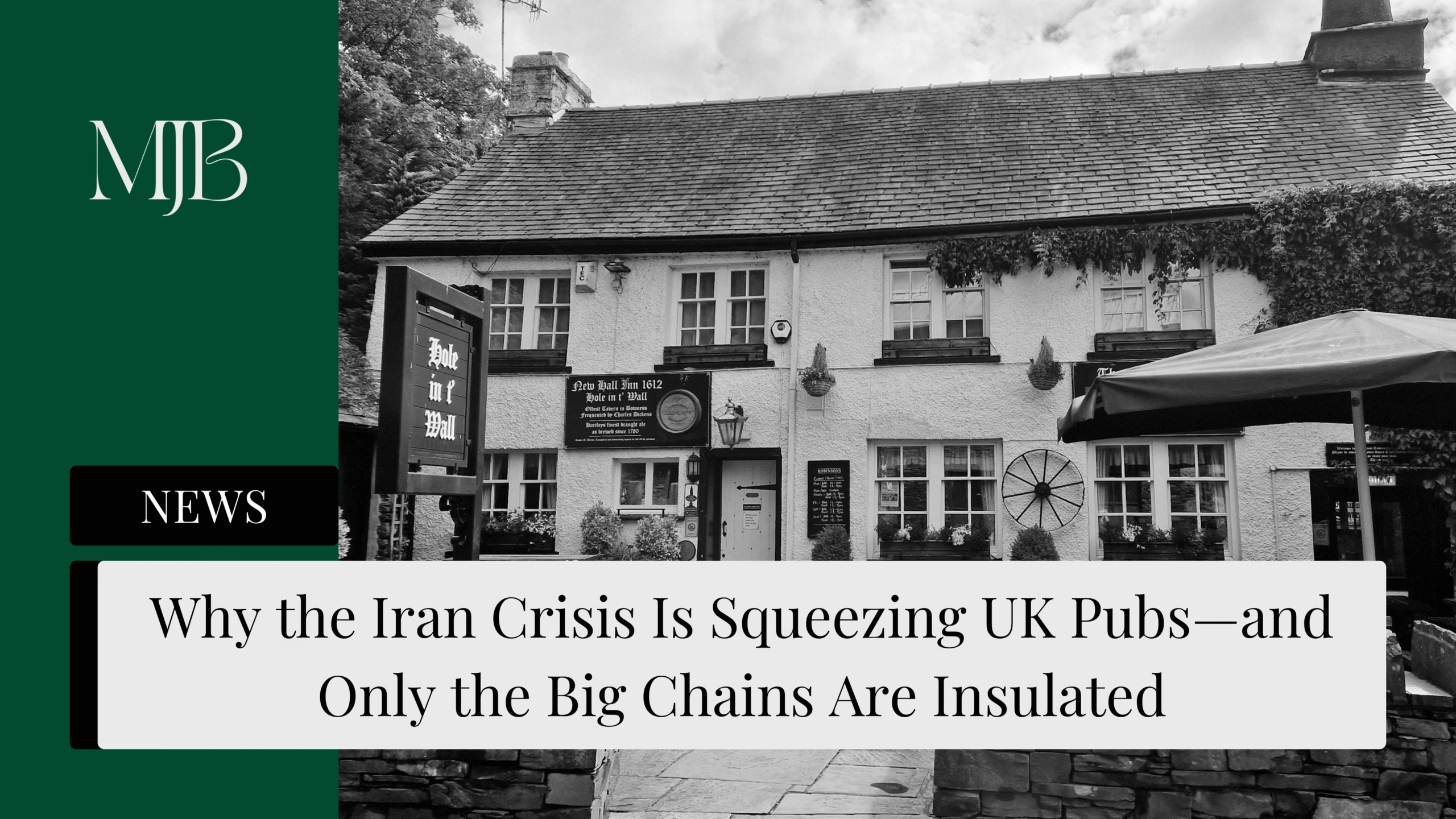
There’s a widening gulf in the UK pub sector, and it’s got nothing to do with beer selection. Whilst JD Wetherspoon and the big chains are sipping pints with fixed energy costs locked in until 2029, independent pubs are facing a brewing crisis. Geopolitical tensions in the Middle East have sent oil and gas prices soaring, and for landlords without long-term contracts, the bills are about to get nasty. Energy costs could hit pubs for £169m annually, with some facing sharply higher bills when contracts renew this April. Here’s the thing about energy crises in hospitality: they don’t hit everyone equally. Let’s break it down.
The Perfect Storm: Geopolitics Meets the Pub Till
When the Strait of Hormuz gets squeezed, your pint prices don’t stay still. Blockages linked to Iran tensions have sent oil and gas prices spiking, and the shockwaves are rippling through UK hospitality. UKHospitality has warned landlords about potentially devastating impacts as energy renewals loom—some as soon as April.
The maths is grim. Independent pubs, which account for a significant chunk of the sector, typically don’t have long-term hedged contracts. They’re too small to wrangle the admin complexity or absorb the upfront costs that big operators can manage. So when prices surge, they get hit hardest.
This isn’t the first rodeo. During the 2022 Russia-Ukraine energy crisis, hundreds of pubs went under. The sector’s still nursing those wounds.
Big Chains vs. Independent Landlords: The Divergence Widens
Here’s the divide: the restaurant and pub giants have chess-like foresight. JD Wetherspoon’s owner locked in fixed rates until 2029. Fuller’s and Young’s have hedged through next year. Even Hollywood Bowl—which owns bowling alleys, not pubs—has hedged and installed solar panels at 40% of locations, generating 12% of electricity from renewables.
Meanwhile, smaller operators are scrambling. Douglas Jack from Peel Hunt puts it plainly: ‘This is one of the many factors that are creating polarisation within the sector, because small companies might struggle to do all of this to the same extent that the big companies are.’
It’s an actual structural weakness in British hospitality. Rural pubs using heating oil are especially exposed—UKHospitality has flagged that off-grid businesses could face particularly sharp spikes.
What Happens Next (and Who Gets Hurt)
When contracts renew this spring, independent landlords will face a choice: swallow the cost or pass it to customers. Higher beer prices could drive drinkers to supermarkets or chain venues with absorbed costs. Either way, someone’s wallet gets lighter.
The government’s chipped in a £50m support package, but it’s narrowly focused on households using heating oil. That’s a sticking plaster on a much bigger wound. UKHospitality has written to ministers demanding more targeted help, but it’s unclear whether that’ll materialise before April’s contract renewals hit.
Watch this space. The next few months will reveal whether smaller operators can survive this squeeze—or whether we’ll see another cull of independent pubs.
The Bottom Line
The Iran crisis is exposing a fundamental weakness in the UK pub sector. Big chains are insulated. Independents are exposed. And if history’s any guide, some won’t make it through. The question isn’t whether prices will rise—it’s who’ll bear the burden.
FAQ
How much will pub energy costs increase?
The Telegraph estimates the sector faces £169m in additional annual costs. Individual pubs’ increases depend heavily on their contract renewal dates and whether they’ve hedged. Independents renewing in April could face sharp spikes; those with 2029 contracts are locked in stable rates.
Why do big chains have protection that small pubs don’t?
Large operators can afford to lock in long-term fixed-price energy contracts and absorb the administrative costs. Smaller pubs lack the financial bandwidth to hedge years ahead. It’s a classic economies-of-scale problem, but in this case, the stakes are existential.
Is there government support for independent pubs?
The government announced a £50m package focused on heating oil users (mostly households). UKHospitality has urged ministers to expand support for hospitality, but dedicated relief for pubs hasn’t been announced. April’s renewals could happen before any additional measures are introduced.
Could pubs go under like they did in 2022?
It’s possible. The 2022 energy crisis forced hundreds of closures. If April’s renewals bring steep cost hikes and the sector doesn’t get targeted support, independent operators will face serious pressure. Some may choose to close rather than absorb unmanageable bills.
How are some pubs already preparing?
Fuller’s has installed electric cooking equipment to reduce gas reliance and targets net-zero operational emissions by 2030. Hollywood Bowl’s 40% solar installation generates 12% of on-site power. These moves take capital investment that most independents can’t afford right now.
DISCLAIMER
Effective Date: 15th July 2025
The information provided on this website is for informational and educational purposes only and reflects the personal opinions of the author(s). It is not intended as financial, investment, tax, or legal advice.
We are not certified financial advisers. None of the content on this website constitutes a recommendation to buy, sell, or hold any financial product, asset, or service. You should not rely on any information provided here to make financial decisions.
We strongly recommend that you:
- Conduct your own research and due diligence
- Consult with a qualified financial adviser or professional before making any investment or financial decisions
While we strive to ensure that all information is accurate and up to date, we make no guarantees about the completeness, reliability, or suitability of any content on this site.
By using this website, you acknowledge and agree that we are not responsible for any financial loss, damage, or decisions made based on the content presented.