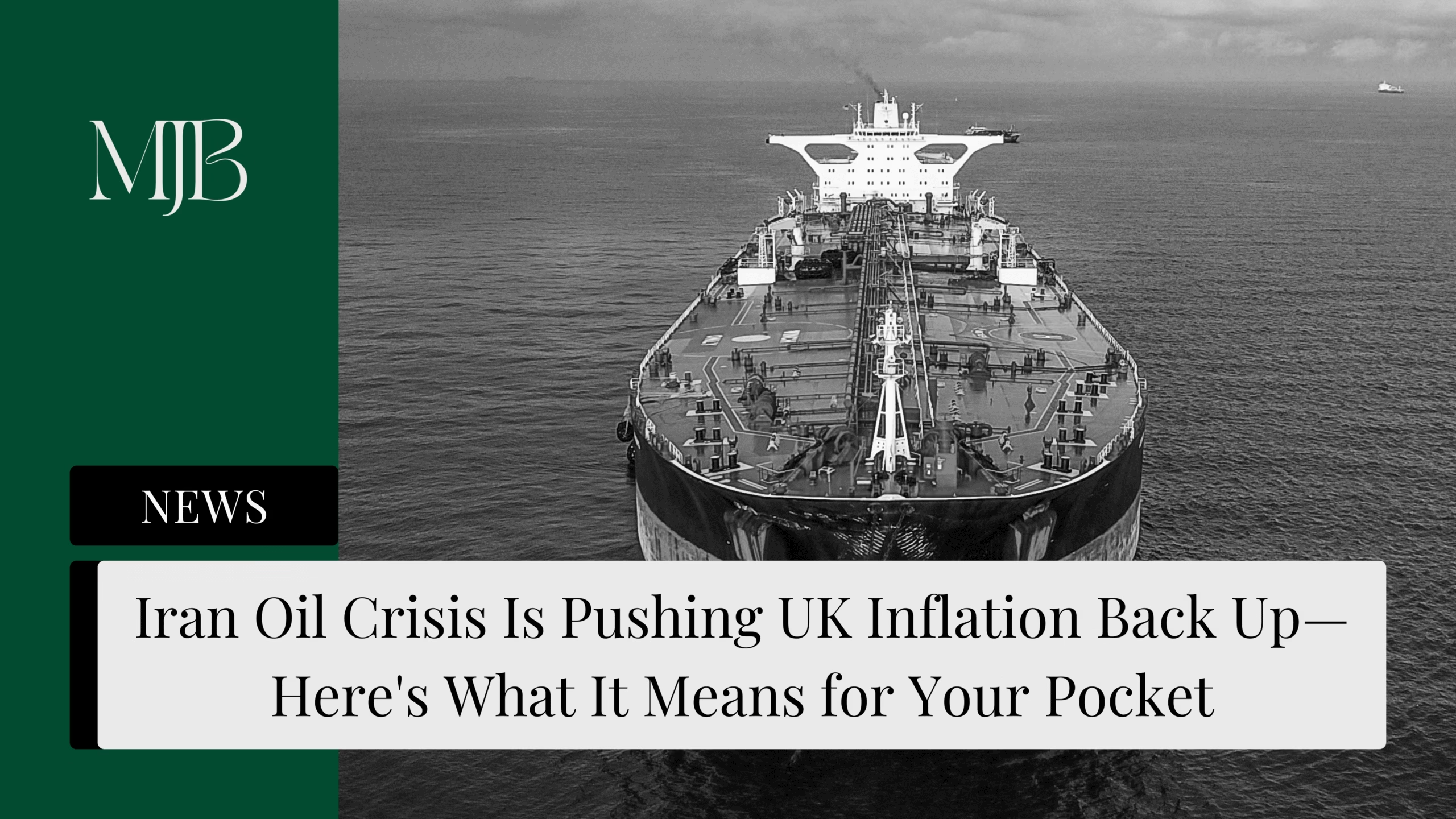
Oil prices are climbing again. Trump and Netanyahu’s recent strikes on Iran sent crude soaring, and the UK’s Office for Budget Responsibility just warned that if this carries on, inflation could breach 3% by the end of 2026. The OBR’s David Miles put a number on it: this shock alone could add roughly one percentage point to CPI inflation. Meanwhile, Rachel Reeves is furious. The Chancellor’s already warned energy firms against price gouging during this crisis—and she’s got a point. Let’s break it down.
The Oil Shock Is Real (But Milder Than Ukraine)
Here’s the thing about oil price shocks: they ripple through the entire economy. Right now, crude is sitting around 20% higher than it was before the geopolitical flare-up in Iran. Miles noted the risks are milder than during the Ukraine war, but he also threw in a telling comment: ‘I would have given you a different answer yesterday morning.’ Translation: this situation moves fast, and forecasts can shift on a dime.
The mechanics are straightforward. Higher oil prices feed straight into energy bills, which then drag up the broader inflation basket. The OBR’s calculation is sobering: current oil and gas price rises could add ~1 percentage point to CPI. Since inflation is already hovering near 3%, that’s enough to push it past target.

Rachel Reeves Isn’t Having the Price-Gouging Play
Reeves made her position crystal clear on Monday: energy firms better not use this crisis as cover to rip off consumers. She publicly warned against price gouging—a signal that the government’s watching, and action could follow if companies get too greedy. Watch this space. The Chancellor also acknowledged the oil shock will likely drive higher prices for Britons, but she’s clearly drawing a line between ‘market forces’ and ‘corporate opportunism.’
This matters because energy companies have a track record of padding prices under the guise of global pressures. Reeves is signalling that if they overstep, there’ll be consequences.
The Spending Squeeze Gets Tighter
While the OBR’s focused on the inflation threat, Tom Josephs threw down another uncomfortable number: the government faces a £13bn spending gap by 2029. That’s before commitments on SEND (special education), defence spending (heading toward 3% of GDP), and international aid kick in. Departments facing those commitments will see real-terms expenditure cuts of 4.4% between 2029–2031.
Some departments already squeezed hard at the last Spending Review—Home Office, Foreign Office, Treasury—will feel this most acutely. The OBR also flagged that the government’s falling behind on its linear path to 3% defence spending by 2030. The next Spending Review’s planned for 2027, but the arithmetic is unforgiving.
The Bottom Line
The Iran oil crisis is real, inflation pressures are rising, and the UK’s budget room is shrinking fast. Reeves is cracking down on energy firms to prevent price gouging, but ultimately, geopolitical shocks aren’t something any Chancellor can fully control. What you can control is staying informed—and planning ahead.
FAQ
Could UK inflation actually breach 3% this year?
Yes, it’s possible. The OBR said current oil and gas price rises could add ~1 percentage point to CPI inflation. Since inflation’s already near 3%, hitting above target depends on whether the Iran situation escalates or stabilises.
Why is Rachel Reeves warning energy companies?
She’s signalling the government won’t tolerate price gouging under the guise of global oil shocks. Firms caught overcharging consumers during a crisis could face scrutiny or action—it’s a regulatory warning shot across the bow.
How bad is the £13bn spending gap?
It’s significant. Departments are already stretched thin after previous cuts. A 4.4% real-terms cut between 2029–2031 will force tough choices on public services, especially where new commitments (SEND, defence) clash with budget constraints.
Is this oil shock worse than the Ukraine situation?
No. The OBR confirmed the current geopolitical risks are milder than Ukraine-related shocks. However, even a ‘milder’ shock can still push inflation above target and squeeze households.
When will the government address this budget problem?
The next Spending Review is scheduled for 2027. Until then, expect incremental decisions and a lot of budget pressure on departments that don’t have protected status like defence.
DISCLAIMER
Effective Date: 15th July 2025
The information provided on this website is for informational and educational purposes only and reflects the personal opinions of the author(s). It is not intended as financial, investment, tax, or legal advice.
We are not certified financial advisers. None of the content on this website constitutes a recommendation to buy, sell, or hold any financial product, asset, or service. You should not rely on any information provided here to make financial decisions.
We strongly recommend that you:
- Conduct your own research and due diligence
- Consult with a qualified financial adviser or professional before making any investment or financial decisions
While we strive to ensure that all information is accurate and up to date, we make no guarantees about the completeness, reliability, or suitability of any content on this site.
By using this website, you acknowledge and agree that we are not responsible for any financial loss, damage, or decisions made based on the content presented.