
Introduction
Two-thirds of UK consumers don’t trust their insurers. That’s not just bad PR—it’s a systemic problem that’s putting the entire insurance sector in the Financial Conduct Authority’s crosshairs. Speaking at the Association of British Insurers conference, FCA deputy chief executive Sarah Pritchard delivered a blunt message: innovation alone won’t cut it. Insurers need to rebuild consumer trust, and they need to do it fast. Here’s why the watchdog is cranking up pressure on an industry that’s struggling to shake off outdated practices and corporate scandals.
Why Insurance Has a Trust Problem
The numbers are damning. According to fresh FCA data, 66% of consumers have low trust in insurance—making it one of the least trusted sectors in financial services. That’s worse than banking, which itself has spent years recovering from the 2008 crisis.
Pritchard stated: “It’s not enough to create and scale a good product alone. To succeed you have to bring consumers with you.” The problem? Too many insurers assume customers will simply follow along. They won’t—not without proof that the industry has their backs.
Outdated practices and recent corporate scandals haven’t helped. While insurers are rolling out tech upgrades and streamlined claims processes, consumers aren’t feeling the benefits. Trust isn’t built through slick apps alone; it’s earned through consistently fair treatment.

Consumer Duty: The FCA’s Enforcement Weapon
The FCA isn’t waiting around for insurers to sort themselves out. Since the Consumer Duty came into force in 2023, the regulator has doubled down on enforcement, using “fair value” requirements to secure tangible wins for customers.
Case in point: the FCA just clawed back £200m in compensation for 270,000 consumers who were shortchanged after their cars were stolen or written off. That’s real money back in people’s pockets—and a clear signal that the watchdog means business.
This week brought more good news for policyholders. The FCA confirmed it’s ensuring monthly insurance payments offer fair value, saving consumers £157m. Over half the providers reviewed have already lowered premium finance costs.
Pritchard made the regulator’s strategy clear: “We will continue our work informing [consumers’] understanding of what they’re buying. We will review products and services for indicators of outcomes and look at how firms treat vulnerable consumers.”
Translation? Expect more scrutiny, more intervention, and more compensation payouts if insurers don’t get their act together.
The £5.4bn Protection Gap Nobody’s Talking About
Here’s the paradox: insurers accepted 98% of claims in 2024, paying out £5.4bn. Yet millions of Brits remain completely uninsured, leaving themselves financially exposed when disaster strikes.
The latest FCA study reveals the scale of the problem:
- 26% of people have no insurance at all
- 58% lack “pure protection products” like life insurance or income protection
This isn’t just about cost. The average life insurance policy runs around £29.75 per month—hardly prohibitive for most households. The real issues? Lack of awareness and difficulty accessing regulatory advice. Many consumers simply don’t understand what protection they need or how to get it.
Pritchard called the gap “significant” and pledged the FCA would work with the industry to close it. But that requires insurers to step up education efforts and simplify product access—not just push policies.
Regulatory Relief for Wholesale Firms
It wasn’t all stick and no carrot. Pritchard also promised to ease “disproportionate burdens” on wholesale insurance firms—the specialised brokers connecting retail agents with carriers offering high-risk policies.
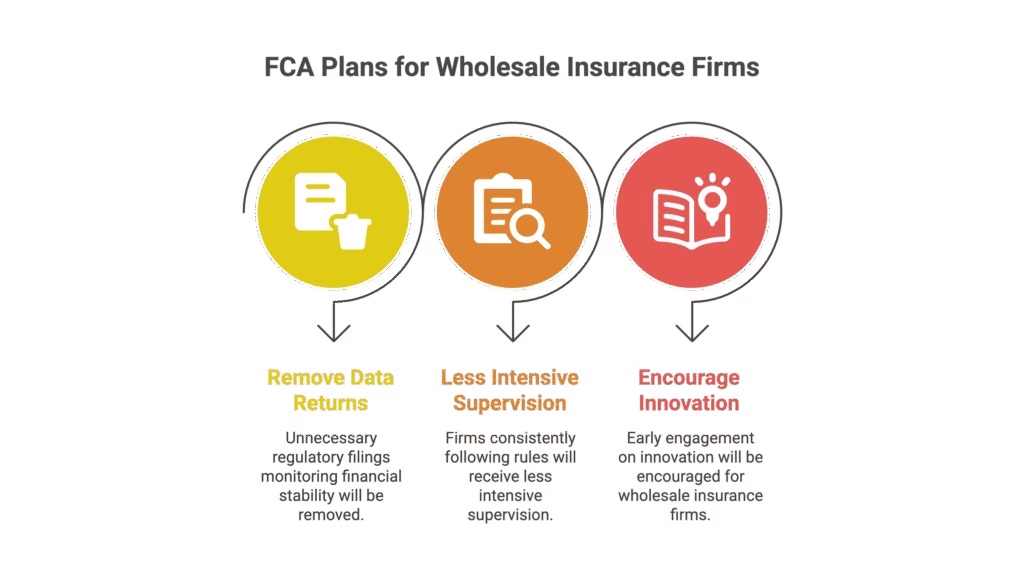
The FCA plans to:
- Remove unnecessary data returns (those regulatory filings monitoring financial stability)
- Offer less intensive supervision for firms consistently following rules
- Encourage early engagement on innovation
“We want you to succeed but we need you to be confident to innovate and bring your consumers with you,” Pritchard said. “Engage with us early and often.”
It’s a pragmatic approach: streamline compliance for firms doing the right thing, freeing them to focus on building better consumer experiences.
What This Means for the Insurance Industry
The FCA’s message is crystal clear: innovation without trust is worthless. Insurers can’t tech their way out of a reputation crisis—they need to fundamentally change how they treat customers.
For consumers, this regulatory pressure should translate into fairer pricing, clearer products, and better treatment when things go wrong. The £357m in compensation and savings secured recently is just the start.
For insurers, it’s adapt or face consequences. The Consumer Duty gives the FCA teeth, and Pritchard has shown the regulator isn’t afraid to bite. Firms that prioritise fair value and transparent communication will thrive. Those clinging to outdated practices? They’re on borrowed time.
The industry has been put on notice. Time to rebuild trust—or watch the FCA do it for you.
FAQ
Q1: Why do consumers distrust insurance companies?
A: 66% of UK consumers have low trust in insurers due to outdated practices, corporate scandals, and poor customer experiences. Despite industry innovation, many feel insurers don’t have their best interests at heart.
Q2: What is the Consumer Duty and how does it protect customers?
A: The Consumer Duty, enforced since 2023, requires insurers to provide fair value and better outcomes for customers. The FCA has already used it to secure £200m in compensation for car insurance claims and £157m in savings on premium finance.
Q3: How many people in the UK lack insurance protection?
A: 26% of people have no insurance at all, while 58% lack pure protection products like life insurance or income protection. This leaves millions financially exposed despite affordable products being available.
Q4: What is the FCA doing to close the protection gap?
A: The FCA is working with insurers to improve consumer awareness and access to regulatory advice. The regulator acknowledges the gap isn’t just about cost but also education and product accessibility.
Q5: Will the FCA ease regulations for insurance firms?
A: Yes, for wholesale insurance firms consistently following rules. The FCA plans to remove unnecessary data returns and offer less intensive supervision, encouraging innovation while maintaining consumer protection standards.
DISCLAIMER
Effective Date: 15th July 2025
The information provided on this website is for informational and educational purposes only and reflects the personal opinions of the author(s). It is not intended as financial, investment, tax, or legal advice.
We are not certified financial advisers. None of the content on this website constitutes a recommendation to buy, sell, or hold any financial product, asset, or service. You should not rely on any information provided here to make financial decisions.
We strongly recommend that you:
- Conduct your own research and due diligence
- Consult with a qualified financial adviser or professional before making any investment or financial decisions
While we strive to ensure that all information is accurate and up to date, we make no guarantees about the completeness, reliability, or suitability of any content on this site.
By using this website, you acknowledge and agree that we are not responsible for any financial loss, damage, or decisions made based on the content presented.