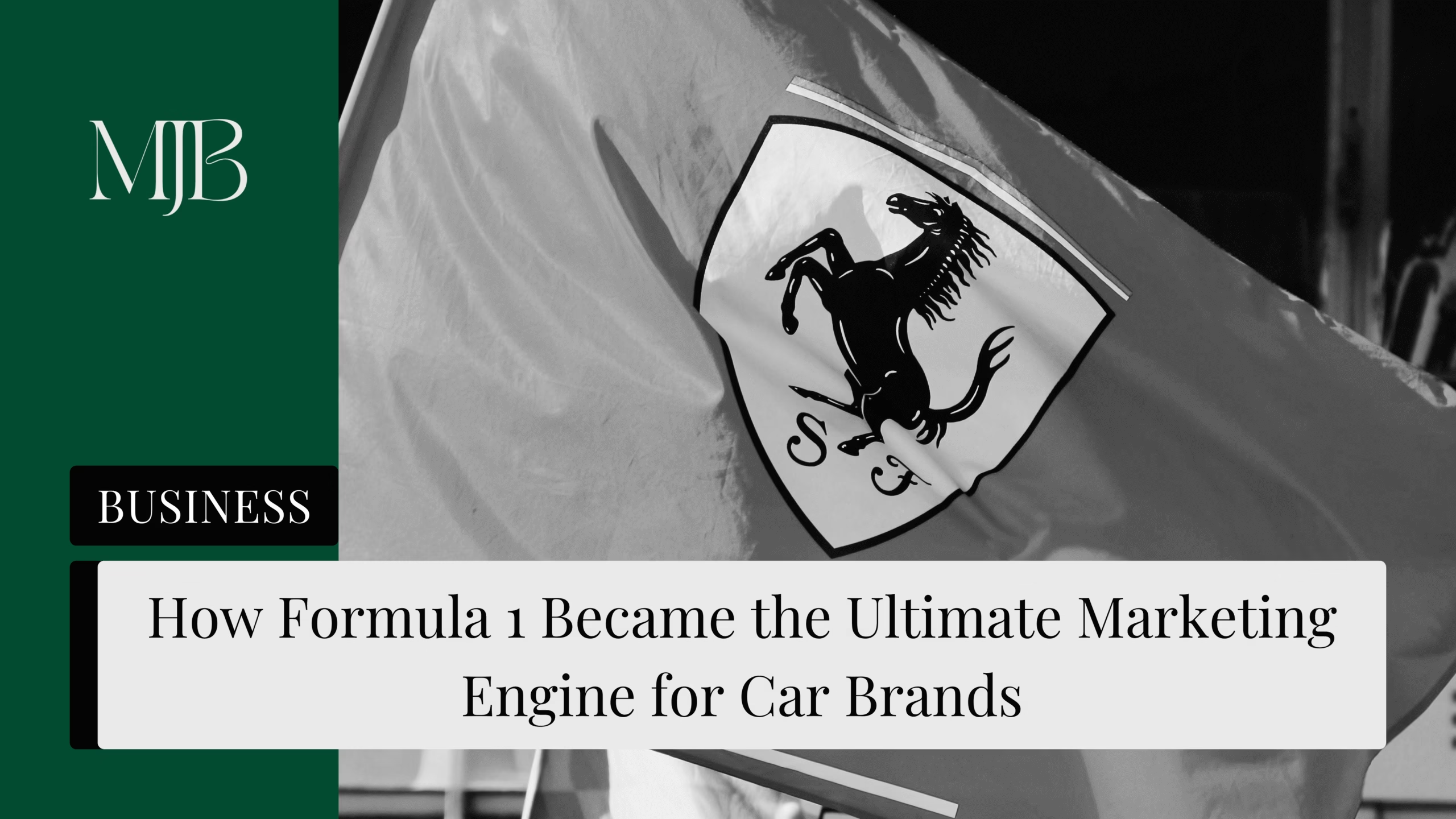
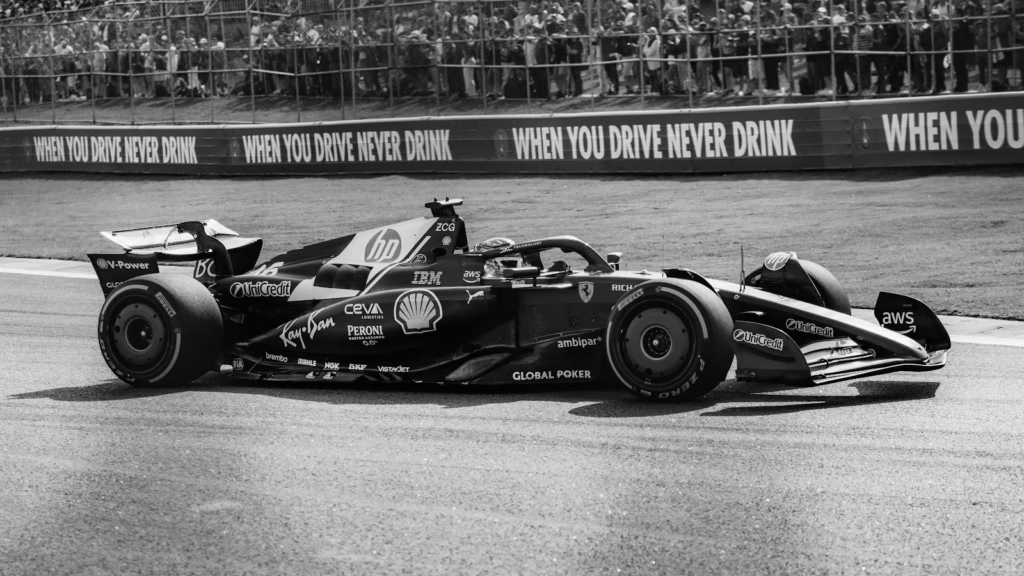
Formula 1 isn’t just breaking lap records any more, it’s breaking sponsorship records too. With an estimated $2.9 billion in sponsorships this year and a projected 10% increase for 2026, F1 has become the gold standard for automotive marketing. From legacy giants like Ford to electric upstarts eyeing the grid, everyone wants a piece of the action. Where else can you showcase engineering excellence to millions of passionate fans every weekend whilst looking ridiculously glamorous doing it?
Why Car Brands Are Racing Back to F1
Remember when cinema ads and glossy billboards were enough for car marketing? Those days aren’t gone, but they’re definitely sharing the spotlight now.
F1 offers something no static advert can match: real-time proof of engineering prowess. When you see a driver hurl their machine through Eau Rouge at terrifying speeds and emerge unscathed—still leading the pack—that’s not just entertainment. That’s a rolling advertisement for reliability, safety, and innovation.
The sport’s cultural renaissance has made it irresistible. Brad Pitt’s F1 film, Netflix’s Drive to Survive phenomenon, and the sport’s explosive growth among younger audiences (especially women) have transformed F1 from a niche passion into mainstream entertainment. It’s now one of the world’s most-watched sporting events, and brands know it.
The EV Revolution Meets the Chequered Flag
You’d think the rise of electric vehicles might’ve sidelined F1, right? Wrong.
The FIA’s 2026 regulations mandate a 50:50 split between petrol and electric powertrain technology. That’s a massive open invitation to both legacy manufacturers and EV-only brands to prove their mettle on the world’s biggest automotive stage.
Ford’s jumping in with both feet, partnering with Red Bull to supply a 350 kW electric motor and power unit control software to Toro Rosso. CEO Jim Farley summed it up perfectly: this move is “all about where we are going as a company—increasingly electric, software-defined modern vehicles.”
The message is clear: F1 isn’t retreating from electrification. It’s embracing it, offering a perfect marketing halo for the entire industry.
Fighting Fire with Different Fuel
Traditional carmakers face a peculiar challenge. They’ve spent decades differentiating themselves from historic rivals—Audi vs BMW, Ford vs Chevrolet. But now? They’re competing against an entirely new breed.
BYD, Tesla, and Chery don’t play by the old rulebook. These brands market cars like tech companies: sleek social-first campaigns, digital-heavy strategies, minimal traditional advertising. It’s a completely different playbook, and it’s working.
Whilst these EV brands might dominate hackathons and Twitter threads, legacy manufacturers have something else entirely—decades of engineering heritage and racing pedigree. F1 lets them showcase that advantage in the most visceral way possible.
The Premium Halo Effect
F1 operates in what can only be described as a super-premium environment. Races broadcast globally every Sunday (with practice sessions offering nearly as much engagement on Fridays and Saturdays). The sport features in Hollywood blockbusters and thrives on social media simultaneously.
This dual existence—old-world glamour meets new-world virality—is marketing gold. It merges heritage with innovation effortlessly, reaching traditional motorsport fans and Gen Z viewers in one swoop.
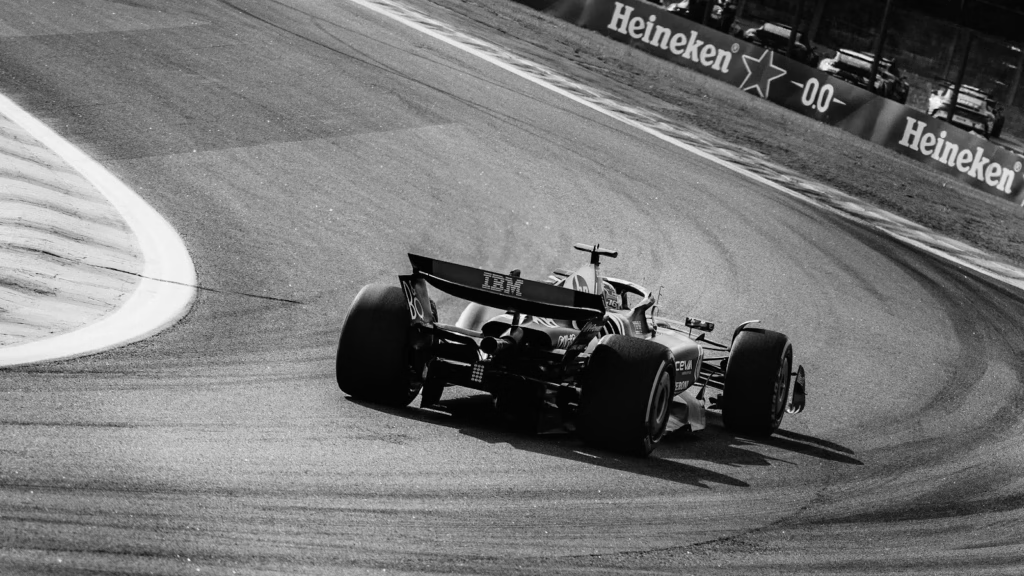
And the association works even for brands not directly involved in F1. The championship’s position at the apex of global motorsport creates a halo effect that elevates the entire automotive industry’s image for technological excellence and performance.
What’s Next for Automotive Branding in F1
With the sport’s momentum showing no signs of slowing, the 2026 regulations will usher in a new era that’s perfectly timed for the EV transition.
Legacy brands can leverage their racing heritage whilst proving their electric credentials. New EV manufacturers can establish themselves as serious engineering players, not just tech upstarts. Everyone wins.
The real question isn’t whether car brands should be involved with F1—it’s whether they can afford not to be. In a market flooded with new competitors and rapidly evolving technology, F1 offers something rare: credibility, excitement, and a global audience that’s actually growing.
Here’s to 2026 bringing more thrilling moments—and more opportunities for carmakers to prove they’ve still got what it takes.
Frequently Asked Questions
Q1: Why is Formula 1 becoming more important for automotive marketing?
A: F1 offers unmatched exposure to a young, growing global audience whilst providing real-time proof of engineering excellence. With sponsorship investment up 10% in 2026 and the sport’s cultural resurgence, it’s become essential for brands wanting to stay relevant and showcase innovation.
Q2: How do the 2026 F1 regulations benefit electric vehicle manufacturers?
A: The new 50:50 split between petrol and electric powertrain technology opens F1 to EV-only manufacturers, offering them a prestigious global platform to demonstrate their engineering capabilities. It levels the playing field between legacy brands and newcomers.
Q3: How are traditional car brands competing against Tesla and other EV-focused companies?
A: Legacy manufacturers are leveraging their racing heritage and F1 associations to emphasise engineering expertise and performance credentials. Whilst EV brands market like tech companies with social-first strategies, traditional brands use F1’s prestige to highlight their technological innovation and heritage.
Q4: What makes F1 a “super-premium” marketing environment?
A: F1 combines global television broadcasts, Hollywood feature films, strong social media presence, and passionate fan engagement. This multi-platform reach delivers both traditional prestige and modern viral potential, creating unique value for automotive brands.
Q5: Does a car brand need to compete in F1 to benefit from its marketing halo?
A: No. The championship’s position at the top of global motorsport creates a halo effect that benefits the entire automotive industry. Even brands not directly involved can leverage F1’s association with engineering excellence and innovation in their marketing strategies.
DISCLAIMER
Effective Date: 15th July 2025
The information provided on this website is for informational and educational purposes only and reflects the personal opinions of the author(s). It is not intended as financial, investment, tax, or legal advice.
We are not certified financial advisers. None of the content on this website constitutes a recommendation to buy, sell, or hold any financial product, asset, or service. You should not rely on any information provided here to make financial decisions.
We strongly recommend that you:
- Conduct your own research and due diligence
- Consult with a qualified financial adviser or professional before making any investment or financial decisions
While we strive to ensure that all information is accurate and up to date, we make no guarantees about the completeness, reliability, or suitability of any content on this site.
By using this website, you acknowledge and agree that we are not responsible for any financial loss, damage, or decisions made based on the content presented.