Introduction
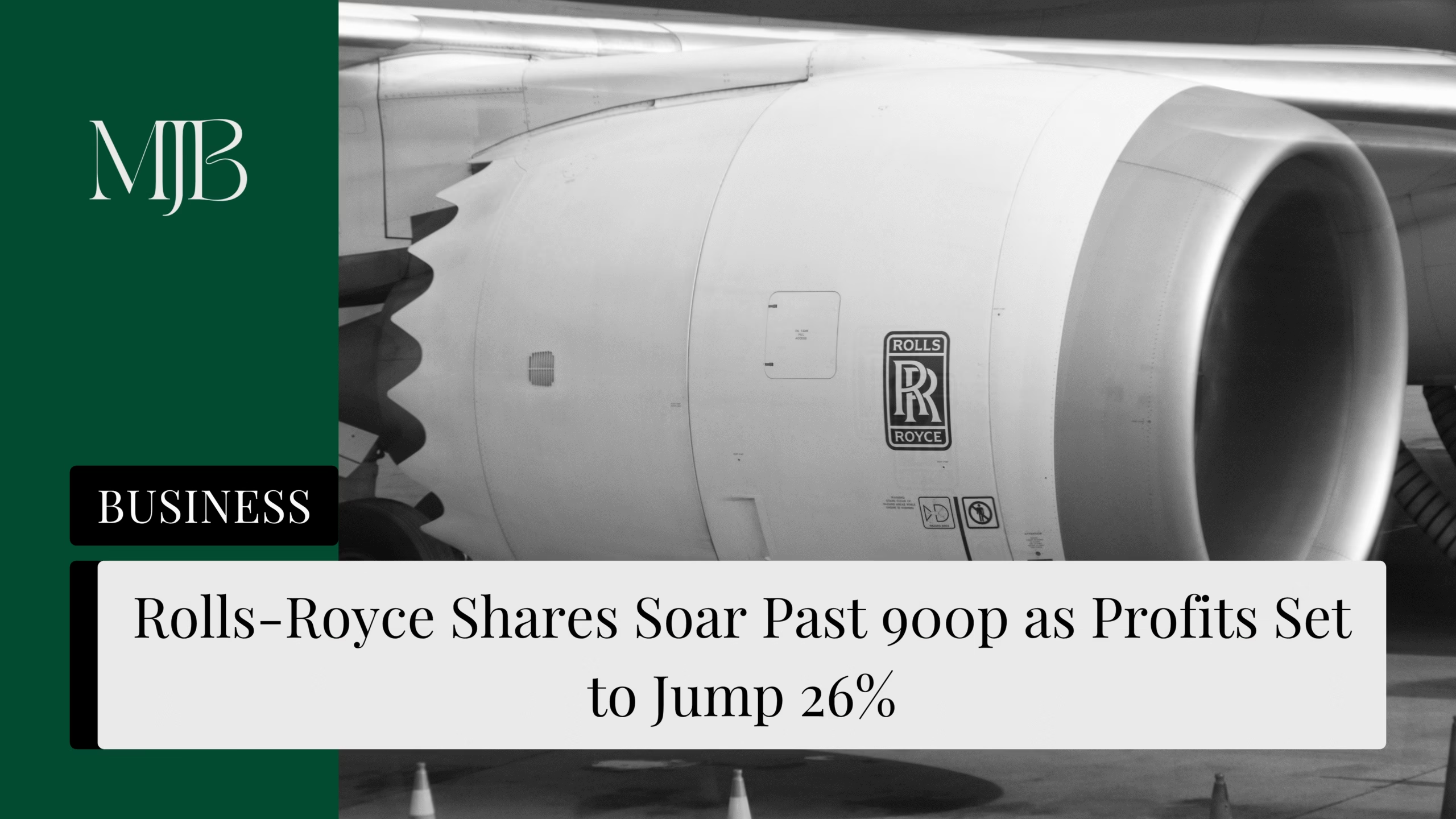
Rolls-Royce just cranked up its profit forecast, again! The FTSE 100 engineering giant now expects operating profit to hit £3.1bn to £3.2bn for the full year, a massive 26% leap from 2024’s £2.5bn. What’s driving this? Booming air travel, hefty defence contracts, and engines that are finally spending more time in the sky than in the repair shop. Shares smashed through 900p for the first time ever, closing at 1,151.50p on Wednesday—up 95% year-to-date. Not bad for a company that nearly went bust during COVID.
Why Rolls-Royce Profits Are Taking Off
Air Travel Recovery Fuels Civil Aerospace Growth
Rolls-Royce’s civil aerospace division is riding the wave of rebounding global air travel, and the numbers prove it.
Large engine flying hours surged 8% year-on-year in the ten months to 31 October. Even more impressive? They’re up 109% compared to pre-COVID levels. More flights mean more engine hours, and more engine hours mean more cash flowing into Rolls-Royce’s pockets.
The company’s also locked in fresh orders from IndiGo, Malaysia Airlines, and Avolon. These contracts ensure steady revenue for years to come.
Defence Division Benefits from Geopolitical Tensions
While commercial aviation drives growth, defence is holding its own. Rising geopolitical tensions have governments opening their wallets, and Rolls-Royce is cashing in.
The standout deal? A UK-Türkiye agreement signed in October will see Rolls-Royce export 20 Eurofighter Typhoons. That’s guaranteed engine sales plus a lucrative long-term service contract.
In a world where defence budgets are growing, Rolls-Royce’s military arm provides solid, recession-resistant income.

Rolls-Royce Wins UK Nuclear Contract
Rolls-Royce isn’t just about jet engines anymore—it’s diving into nuclear power.
Earlier this year, Rolls-Royce SMR (co-owned by the FTSE 100 firm and Czech energy company CEZ) was selected to build three small modular reactors (SMRs) in the UK. This isn’t just a win for the company; it’s a strategic play in the UK’s push for energy security.
The project promises to create jobs, boost the supply chain, and open up export opportunities. For Rolls-Royce, it’s a long-term revenue stream that diversifies beyond aviation and defence.
What’s Behind the Margin Improvements?
Profits aren’t just rising because of higher sales. Rolls-Royce is getting better at converting revenue into actual profit.
Aarin Chiekrie, equity analyst at Hargreaves Lansdown, pointed out three key drivers:
- Contract renegotiation: Better terms mean better margins
- Operational efficiencies: Streamlined processes cut costs
- Part upgrades: Improved components keep engines flying longer, reducing downtime
Translation? Rolls-Royce is squeezing more profit from every engine hour flown. That’s the kind of operational excellence investors love to see.

Should You Buy Rolls-Royce Shares?
With shares up 95% this year, you might be wondering if you’ve missed the boat. Here’s the thing: Rolls-Royce’s turnaround story is far from over.
The company’s got tailwinds from air travel recovery, a growing defence order book, and a foothold in nuclear energy. Add improving margins to the mix, and there’s a solid case for continued growth.
That said, at 1,151.50p per share, valuations aren’t cheap. Do your homework, consider your risk tolerance, and maybe don’t bet the farm on any single stock.
Conclusion
Rolls-Royce is firing on all cylinders. With upgraded profit guidance, a 95% share price gain, and major wins in defence and nuclear, the Derby-based giant is proving it’s more than just a pandemic recovery play. Whether you’re an investor or just fascinated by British engineering, this is a turnaround worth watching.
Ready to explore more UK stock winners? Check out our latest FTSE 100 analysis and investment guides.
FAQ
Q1: What is Rolls-Royce’s profit forecast for the full year?
A: Rolls-Royce expects operating profit of £3.1bn to £3.2bn for the full year, up from £2.5bn in 2024. That’s a 26% increase driven by strong performance in civil aerospace and defence.
Q2: Why are Rolls-Royce shares performing so well?
A: Shares are up 95% year-to-date thanks to rebounding air travel, improved profit margins, and major contract wins in defence and nuclear energy. The company’s operational turnaround has restored investor confidence.
Q3: What is Rolls-Royce SMR?
A: Rolls-Royce SMR is a joint venture between Rolls-Royce and Czech energy firm CEZ focused on building small modular reactors. The UK government selected them to build three units, marking Rolls-Royce’s entry into nuclear power.
Q4: How much have engine flying hours increased?
A: Large engine flying hours grew 8% year-on-year and are up 109% compared to pre-COVID levels. This surge reflects the global recovery in air travel and benefits Rolls-Royce’s civil aerospace revenue.
Q5: What defence contracts has Rolls-Royce recently secured?
A: The company secured a deal to export 20 Eurofighter Typhoons under a UK-Türkiye agreement. This guarantees engine sales and a long-term service contract, providing steady revenue for the defence division.
DISCLAIMER
Effective Date: 15th July 2025
The information provided on this website is for informational and educational purposes only and reflects the personal opinions of the author(s). It is not intended as financial, investment, tax, or legal advice.
We are not certified financial advisers. None of the content on this website constitutes a recommendation to buy, sell, or hold any financial product, asset, or service. You should not rely on any information provided here to make financial decisions.
We strongly recommend that you:
- Conduct your own research and due diligence
- Consult with a qualified financial adviser or professional before making any investment or financial decisions
While we strive to ensure that all information is accurate and up to date, we make no guarantees about the completeness, reliability, or suitability of any content on this site.
By using this website, you acknowledge and agree that we are not responsible for any financial loss, damage, or decisions made based on the content presented.